

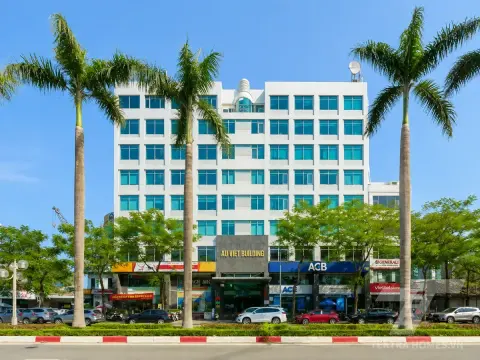
Traditional Office Leasing Market
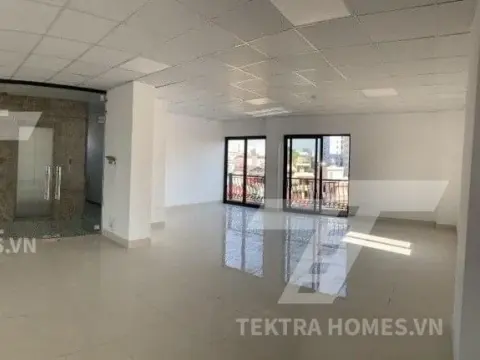
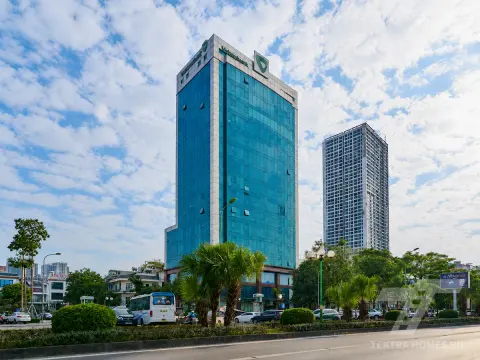
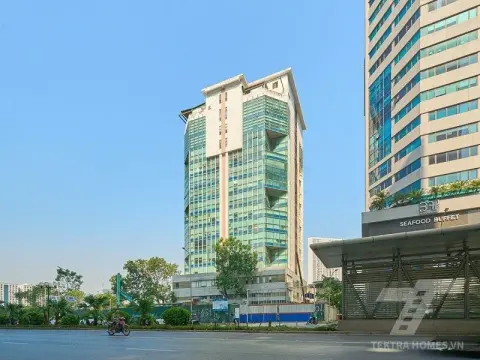
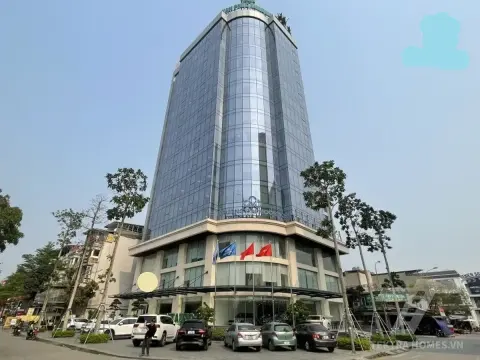
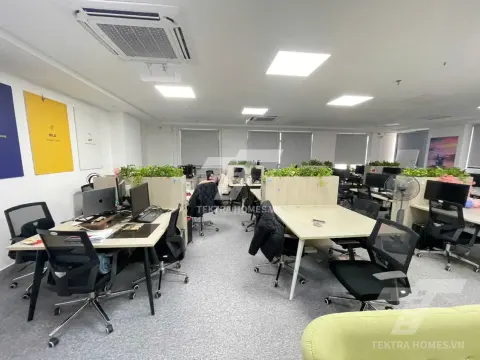
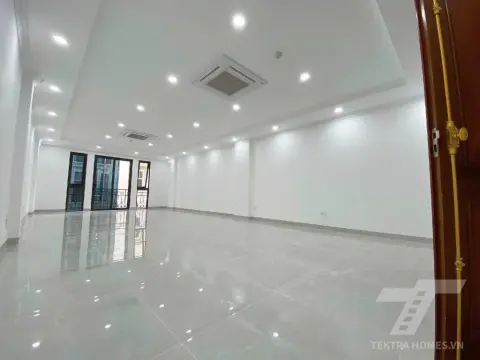
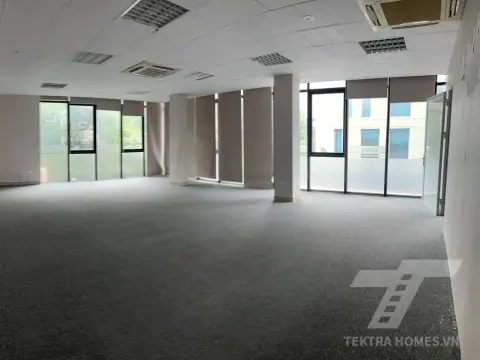
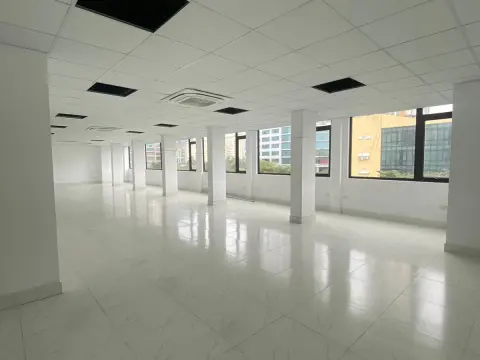
Traditional office leasing in Hanoi provides floor areas from 50m² to more than 2,000m² in Grade A, B, and C buildings. Traditional offices are delivered in shell condition or with basic finishes (ceiling, flooring, air conditioning, and fire protection systems), allowing businesses to freely design and build interiors and shape their long-term corporate culture.
A traditional office is a fixed-floor lease model in purpose-built high-rise buildings. Unlike serviced offices or shared workspaces (co-working spaces), this format delivers a standard space for tenants to plan rooms, workstations, and brand identity independently.
Traditional Offices vs. Serviced Offices
Criteria | Traditional Office | Serviced Office |
Handover condition | Shell condition or basic finishes (flooring, ceiling, air conditioning) | Fully furnished with desks, chairs, and office equipment |
Minimum area | From 50m² to 2,000m²+/floor | From 10m² to 50m² (or by number of seats) |
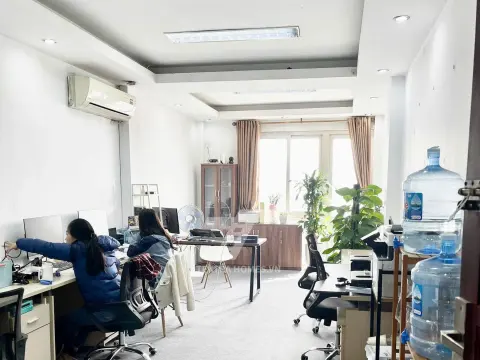
Design/branding rights | Freedom to design, install partitions, and display large signage | Limited architectural alterations; only small signage permitted |
Management & operating costs | Tenant pays separately for electricity, water, internet, and dedicated cleaning | Included in the monthly rental price |
Lease term | Typically from 3 to 5 years or longer | Flexible, from 6 months to 1 year |
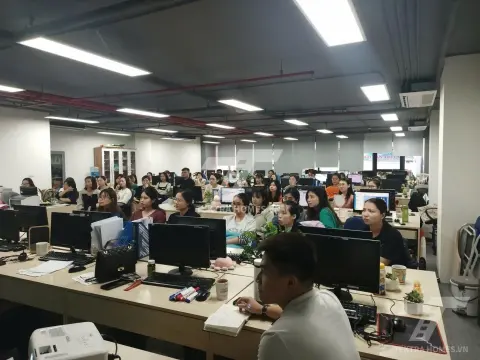
Best suited for | Businesses with more than 15 employees and established companies | Fast setup, small companies, startups, and representative offices |
Traditional Office Grades in Hanoi
Hanoi's traditional office market is clearly divided into three main segments:
Grade A Offices
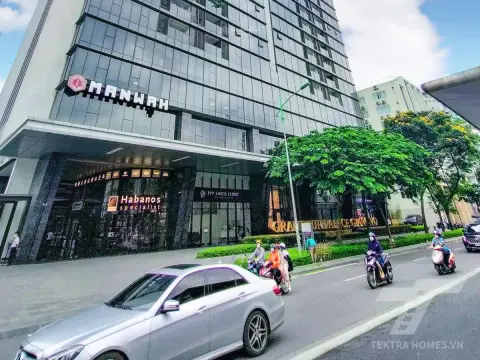
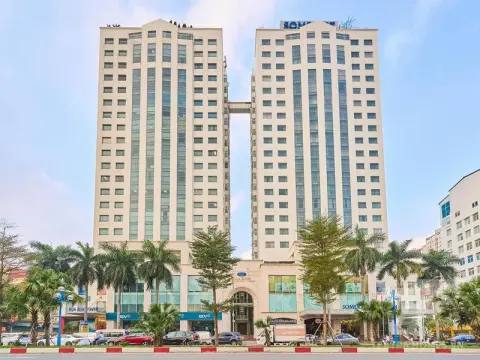
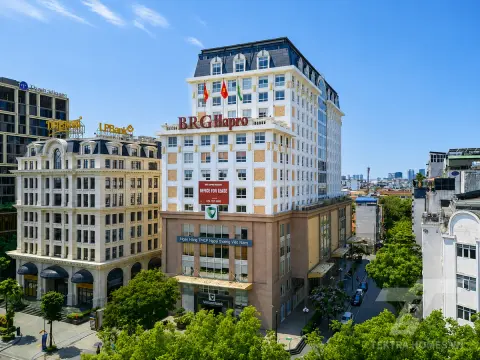
Characteristics: Landmark buildings in prime central locations (Hoan Kiem, Ba Dinh) or emerging business hubs (Cau Giay, Tu Liem). Managed by international firms (CBRE, Savills, JLL).
Standards: High-speed elevators, central VRV/chiller air-conditioning systems, backup generators with 100% capacity, and green certifications (LEED/BREEAM).
Typical examples: Keangnam Landmark 72, Lotte Center, Capital Tower, TechnoPark Tower, Coninco Tower.
Grade B Offices
Characteristics: Concentrated in Cau Giay, Dong Da, Thanh Xuan, and Hai Ba Trung. Buildings typically have 10 to 25 floors and high occupancy rates.
Standards: Modern design, fully approved fire protection systems, flexible floor areas from 80m² to 800m², and reasonable rental rates.
Typical examples: Charmvit Tower, Detech Tower, Times Tower, Diamond Flower Tower.
Grade C Offices & Private Buildings
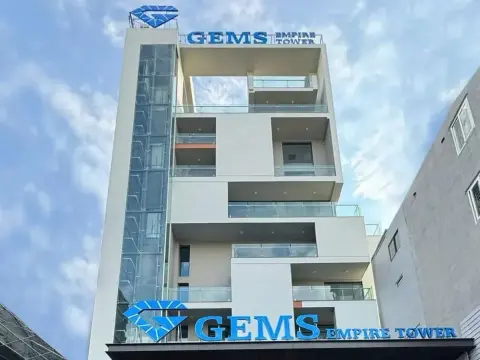
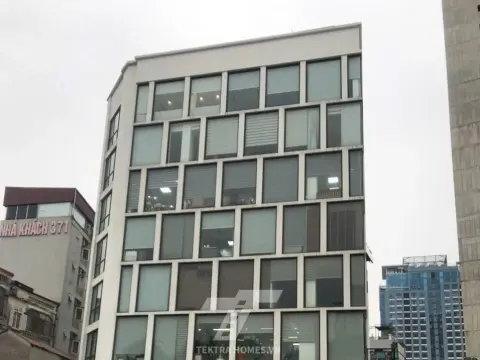
Characteristics: Smaller buildings (7 to 11 floors), located on secondary roads or smaller streets.
Standards: Cost-efficient, straightforward procedures, and suitable for small and medium-sized enterprises (SMEs) seeking to optimise their budget.
Hanoi Traditional Office Rental Rates by Area
Note: The rental rates below are for reference only (USD/m²/month) and exclude VAT and management service fees.
Hoan Kiem, Ba Dinh (economic and political centre):
Grade A: $35 - $55 /m²/month
Grade B: $20 - $32 /m²/month
Grade C: $12 - $18 /m²/month
Cau Giay, Tu Liem (emerging technology and financial hub):
Grade A: $22 - $38 /m²/month
Grade B: $14 - $22 /m²/month
Grade C: $9 - $14 /m²/month
Dong Da, Thanh Xuan, Hai Ba Trung:
Grade A: $25 - $35 /m²/month
Grade B: $13 - $20 /m²/month
Grade C: $8 - $13 /m²/month
TektraHomes' Standard Traditional Office Leasing Process
To help protect businesses' legal interests and optimise costs, TektraHomes follows a standardised five-step consultation process:
Requirement assessment: Gather information on headcount, expected budget, preferred area, and planned office relocation date.
Prepare a Comparison Report: Send a list of the 3 to 5 most suitable buildings, including area, rental rate, service fees, and parking allocation.
On-site inspection: Accompany businesses to view office floors, inspect technical infrastructure, and measure actual areas (Gross/Net).
Lease term negotiation: Support negotiations on rental rates, rent-free interior fit-out periods (15 to 45 days), parking allocation, and rent escalation clauses.
Handover & post-lease support: Sign the premises handover record and support business registration, tax office registration, and fit-out procedures with the building management.
Why Choose TektraHomes Office Leasing Services?
100% real-world data: Continuously updated vacancy and listed rental-rate information for more than 500 office buildings across Hanoi.
Cost optimisation: Commitment to negotiating the best market rental rates and lease conditions through direct connections with developers.
In-depth legal & tax guidance: Support in accurately checking the managing tax sub-department, business registration address, and the building's fire safety legal requirements.
Completely free consultation service: TektraHomes supports businesses from the search stage through completion of floor handover without charging tenants any consultation fees.
Frequently Asked Questions (FAQ) About Traditional Office Leasing
Will a business receive rent-free time for interior fit-out?
Yes. Typically, building management will offer 15 to 45 rent-free days (depending on the leased area and lease agreement) for businesses to complete design and install interiors. During this period, businesses only need to pay management service fees and actual electricity and water usage.
Is office rent calculated based on Net or Gross area?
Most Grade A and B office buildings in Hanoi currently measure and charge rent based on the Net area (the actual area used by the business within the corridor/glass wall boundary). A small number of older buildings or podium floors may calculate rent based on the Gross area (including part of shared corridors and restrooms). TektraHomes always clarifies this information in the Comparison Report sent to clients.
How are overtime (OT) costs calculated for traditional offices?
Overtime charges usually apply when a business uses the central air-conditioning system after business hours (after 6:00 PM or on Saturday/Sunday afternoons). These charges may be calculated in three ways: by FCU/hour, by m²/hour, or as a fixed equipment fee. If a business requires frequent overtime work, TektraHomes will prioritise advising on buildings that allow separate local air-conditioning installation or negotiate preferential OT allowances.
Must a business reinstate the premises to their original condition at the end of the lease?
Yes. Under standard traditional office lease practice, when the lease expires and is not renewed, the tenant is responsible for removing all partitions and self-installed interiors and restoring the premises to the original handover condition (bare floor and basic ceiling).
TektraHomes Working Process and Contact Information
To help businesses save time and optimise costs, TektraHomes follows a standardised five-step office leasing consultation and support process:
Step 1: Requirement assessment: Gather information on headcount, expected budget, preferred area, and planned office relocation date.
Step 2: Prepare a Comparison Report: Send a list of the 5 to 7 most suitable buildings, including area, rental rate, service fees, and parking allocation.
Step 3: On-site inspection: Accompany businesses to view office floors, inspect technical infrastructure, and measure actual areas.
Step 4: Lease term negotiation: Support negotiations on rental rates, rent-free interior fit-out periods, parking allocation, and rent escalation clauses.
Step 5: Handover & post-lease support: Sign the premises handover record and support business registration, tax office registration, and fit-out procedures with the building management.
OFFICE CONTACT INFORMATION AND QUOTATIONS
Hotline and Zalo: 0879 83 3879
Quotation email: cskh@tektra.vn