Vietnam’s office market advances to meet international standards
Amid global economic integration and the shift in foreign direct investment (FDI), Vietnam’s commercial real estate market is undergoing a comprehensive upgrading revolution. While offices were once simply enclosed spaces furnished with desks and chairs, commercial buildings in Hanoi and Ho Chi Minh City are now rapidly redefining themselves to meet the world’s rigorous standards.
The arrival of multinational technology corporations, research and development (R&D) centres, and international financial institutions has raised tenant expectations. From sustainable green architecture and smart operational technology (Proptech) to flexible workplace models focused on human wellbeing, Vietnam’s office market is narrowing the gap with leading regional financial hubs such as Singapore, Hong Kong, and Tokyo.
From fixed spaces to modern workplace ecosystems
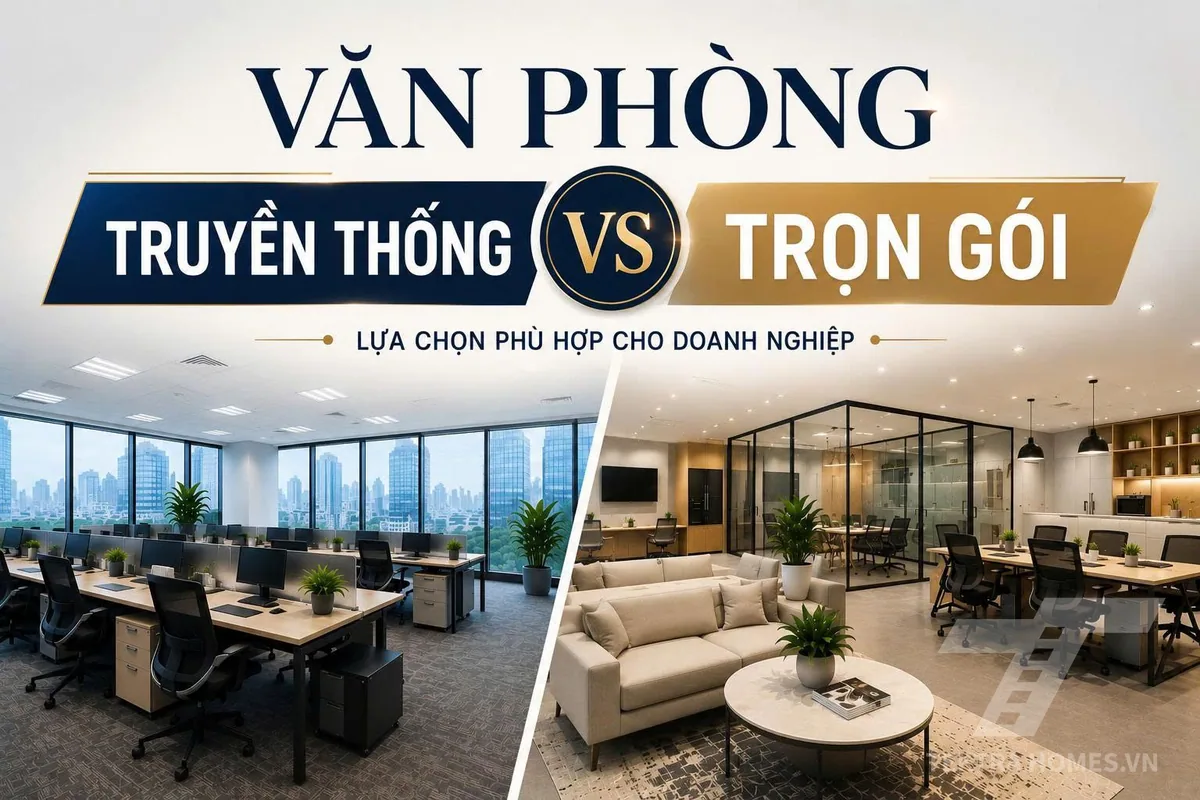
Previously, office layouts in Vietnam were largely traditional: low ceilings, departments divided by dense plasterboard partitions, fixed furniture, and basic management services. However, changing management mindsets and the entry of younger generations into the workforce (Gen Z and Gen Y) have driven a major market transformation:
Redefining the value of the workplace: Offices are no longer merely a fixed cost, but a strategic asset that helps build corporate culture, stimulate creativity, and attract talent.
Momentum from the global business wave: When expanding into Vietnam, FDI corporations and international technology companies apply workplace standards consistent with their headquarters in New York, London, or Singapore, compelling domestic building owners to upgrade infrastructure to remain competitive.
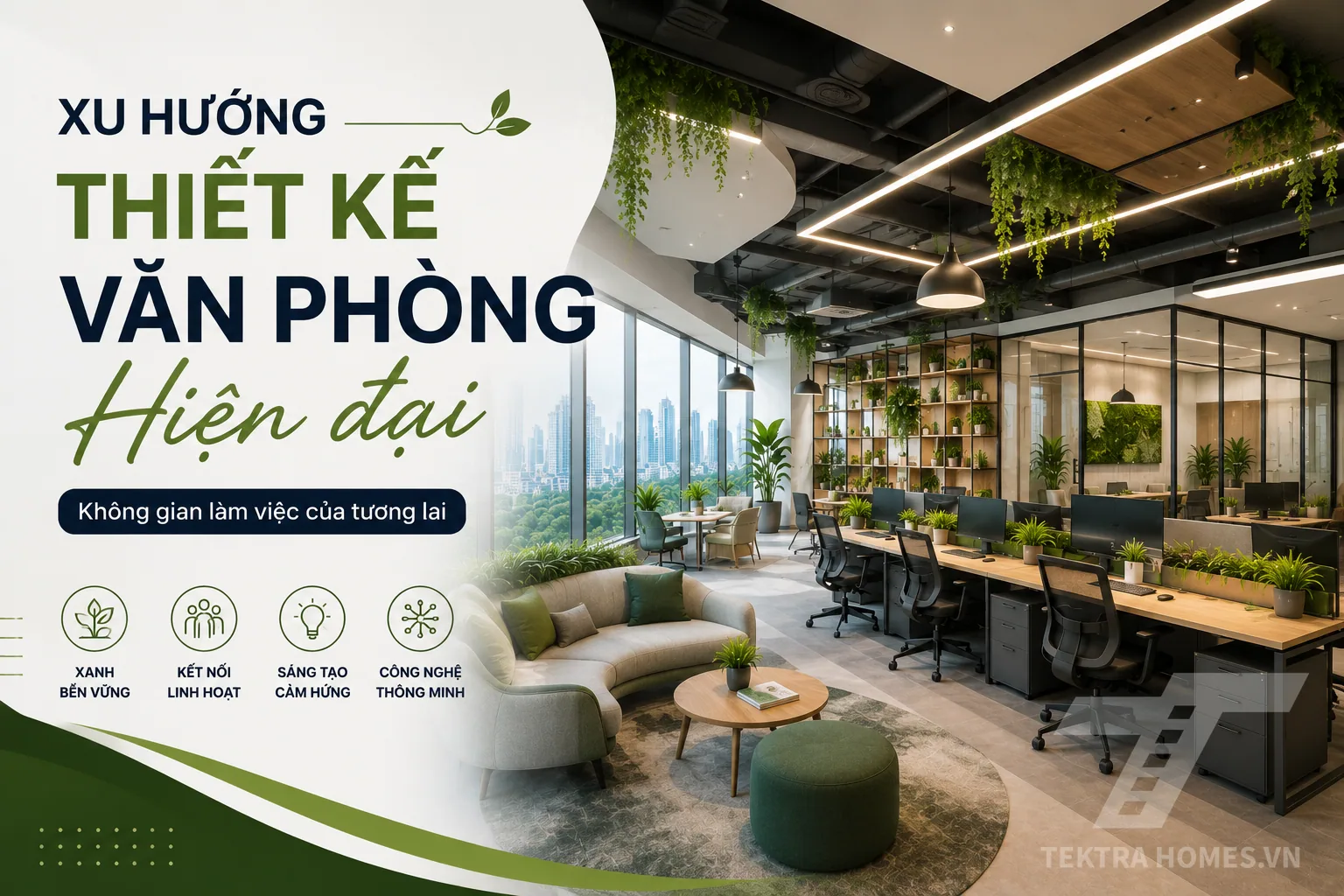
Integrating Activity-Based Working (ABW): Reducing rows of fixed desks to make room for open collaborative spaces, video conference booths, huddle rooms, and quiet focus pods.
Green ESG building standards – a measure of global integration
The clearest indication that Vietnam’s office market is approaching international standards is the rapid growth in buildings achieving prestigious global environmental certifications:
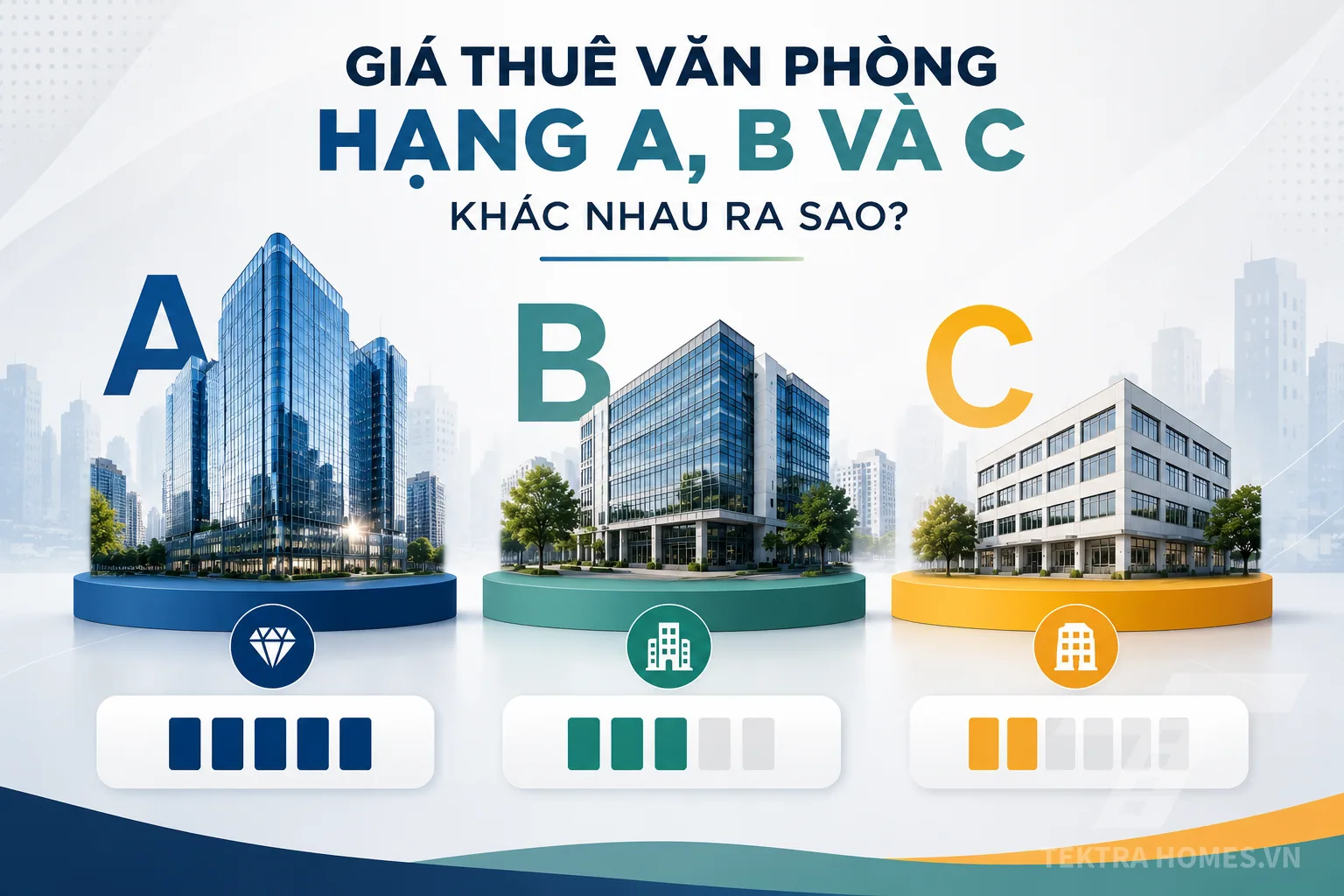
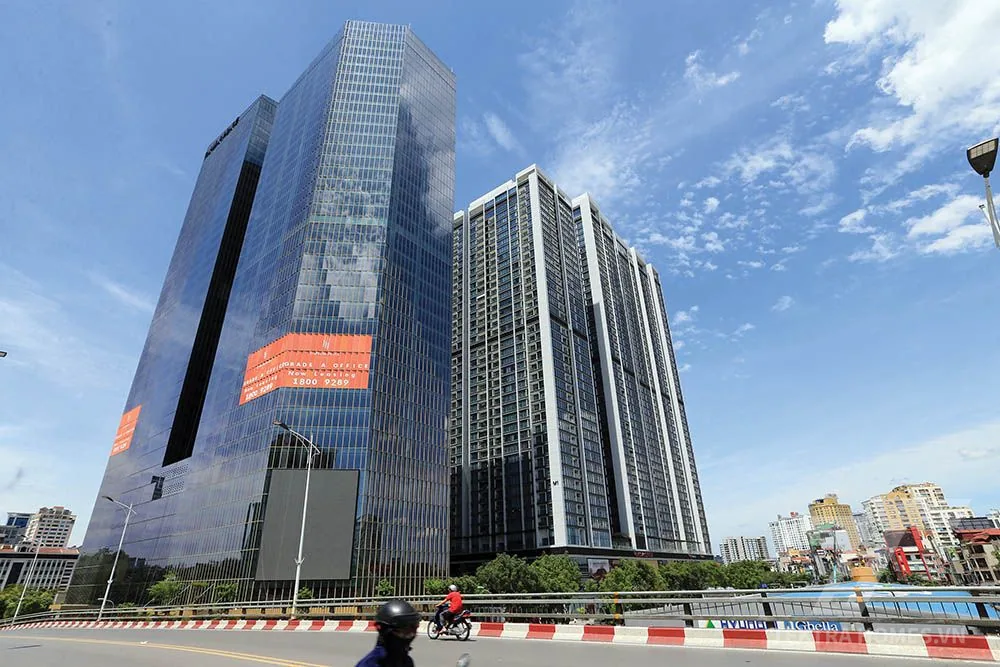
A surge in international certifications: Numerous next-generation Grade A buildings in Hanoi and Ho Chi Minh City have achieved rigorous green building certifications such as LEED (Gold/Platinum), WELL Certified, BCA Green Mark, as well as the domestic LOTUS certification.
Material and energy-saving solutions: Buildings use double-glazed Low-E glass systems that provide maximum heat and UV protection while maintaining natural light transmission; daylight-sensing LED lighting; and rainwater collection and recycling systems for landscape irrigation.
Indoor Air Quality (IAQ): Equipped with medical-standard fresh-air filtration systems (MERV 13 filters or equivalent), real-time monitoring of PM2.5 particulate matter and CO2 concentrations, helping keep air fresh, reduce fatigue, and improve workplace productivity.
Smart building operations and digital transformation
Office buildings in Vietnam are widely integrating smart building solutions to improve user experience and optimise operating costs:
Touchless security control: Speed gates integrate facial recognition (FaceID), dynamic QR codes, or virtual access cards on smartphones, enabling rapid pedestrian flow during peak hours.
Destination Control System (DCS): Automatically allocates lifts efficiently based on each employee’s destination floor, reducing waiting times to under 30 seconds and significantly saving operational energy.
Building Management System (BMS): Automatically adjusts air-conditioning temperatures according to actual occupancy, instantly alerts users to technical incidents, and optimises energy consumption across the building through IoT sensors.
Biophilic design and a focus on holistic wellness
In step with the global trend toward supporting employees’ physical and mental wellbeing, modern Vietnamese office architecture places strong emphasis on people:
Biophilic Design: Bringing nature into the workplace through vertical green walls, elevated gardens, abundant natural light, and natural materials such as wood and stone, helping reduce employee stress levels by 15%.
Multi-level, hotel-standard amenities: Modern buildings fully integrate gyms and yoga rooms, meditation rooms, lactation rooms for mothers, luxurious five-star-standard reception lobbies, and open pantry areas serving high-quality coffee.
Ergonomic standards: Applying smart height-adjustable desks, medical-standard ergonomic chairs, and artificial lighting systems that simulate natural circadian rhythms.
Comparison: traditional offices and internationally aligned offices in Vietnam
Comparison criteria | Traditional standard offices in the past | Modern offices approaching international standards |
Environmental certifications | Almost none; only basic fire safety approval | Required to meet green standards such as LEED (Gold/Platinum), WELL, and LOTUS |
Ceiling & floor height | 2.4m–2.6m ceilings, with no raised technical flooring | 2.7m–3.0m ceilings, equipped with high-load raised flooring |
Air-conditioning system | Split or central air-conditioning systems without fresh-air filtration | Smart central HVAC, PM2.5 filtration, and continuous fresh-air supply |
Technology infrastructure | Manual management and conventional push-button lifts | Touchless facial recognition, DCS lifts, and BMS management |
Spatial layout | Fixed workstations, enclosed cubicles, and limited light | Agile open spaces, multiple collaborative areas, and abundant greenery |
Supporting amenities | Small parking basement and basic amenities | Smart parking basement, EV charging stations, gym, and open pantry |
Strategic benefits of locating a headquarters in an internationally aligned office
Locating a headquarters in buildings meeting international standards offers significant economic and brand value:
Optimising long-term operating costs (OpEx): Thanks to energy-saving systems and Low-E insulated glass, a company’s monthly electricity bills may be reduced by 15% to 25% compared with older buildings.
Attracting and retaining outstanding talent: A comfortable, creativity-rich working environment is a core competitive advantage that helps businesses attract high-quality young talent.
Enhancing brand credibility: A professional, premium workplace helps reinforce trust with international partners and major clients.
Delivering on sustainable development commitments: Directly contributing to net-zero emissions reduction targets and strengthening companies’ periodic ESG reporting metrics.