How to Choose the Right Office Direction to Attract Prosperity and Optimize Functionality
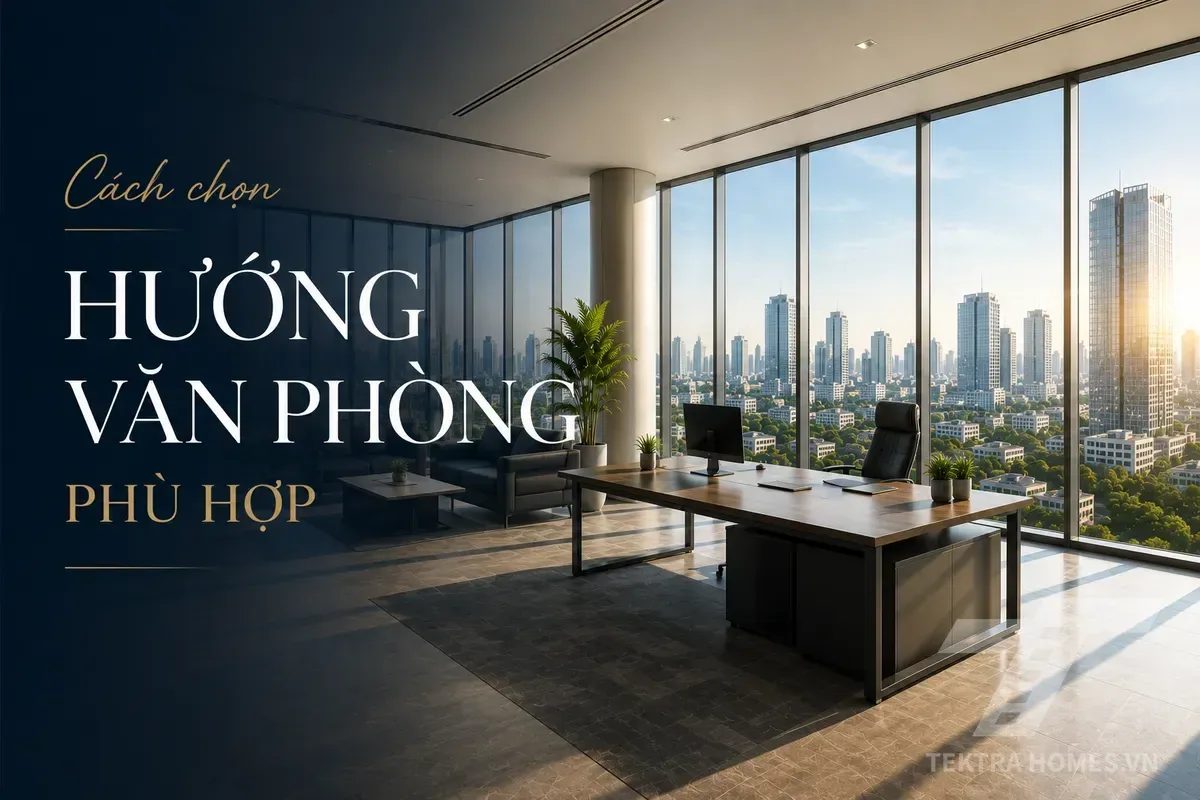
When searching for and establishing a workplace headquarters, determining the office direction is one of the fundamental decisions. Office direction not only directly affects geographical feng shui, financial prospects, and organizational development, but also determines the indoor microclimate: the amount of natural light received, airflow, and monthly electricity costs for air conditioning.
A workspace with a direction that welcomes auspicious energy, balancing natural science with traditional feng shui, can create an airy working environment, stimulate employee creativity, and provide peace of mind and confidence for leaders.
The Significance of Choosing a Suitable Office Direction
Assessing an office direction combines two aspects: environmental architectural science and applied feng shui.
From the perspective of Eastern feng shui: The office direction is regarded as a gateway for receiving “Qi” (cosmic energy). A direction that welcomes positive vital energy can activate the Wealth and Career sectors, support stable cash flow, reduce internal conflicts, and create favorable conditions for partner relationships.
From the perspective of environmental science & microclimate: Office direction directly determines the angle of sunlight exposure and monsoon wind patterns. Choosing a direction with gentle daylight can reduce eye strain and limit radiant heat absorption, thereby saving 15% to 25% in cooling electricity costs.
From the perspective of psychology and work performance: A space with an open outlook (view) and abundant natural positive energy can help employees reduce stress, stay alert, and improve productivity.
How to Choose an Office Direction According to Bát Trạch Feng Shui
The most common and highly regarded method in commercial feng shui is to choose a direction based on the Life Gua (Mệnh Cung Phi or Mệnh Quái) of the legal representative or business leader (Chairperson or Chief Executive Officer).
East Group and West Group Classifications
Based on lunar birth year and gender, a leader belongs to one of the following two Gua groups:
People in the East Group:
Gua types: Kan (Water), Li (Fire), Zhen (Wood), Xun (Wood).
Auspicious office directions (East Group homes): East, Southeast, South, and North.
Meaning: Supports career advancement, rapid business-network expansion, and stronger brand credibility.
People in the West Group:
Gua types: Qian (Metal), Dui (Metal), Gen (Earth), Kun (Earth).
Auspicious office directions (West Group homes): West, Northwest, Southwest, and Northeast.
Meaning: Strengthens financial stability, enhances discipline, improves risk management, and protects company assets.
Auspicious Directions to Prioritize and Inauspicious Directions to Avoid
When choosing an office direction, business leaders should aim for the following four favorable sectors:
Sheng Qi: The most favorable sector for wealth, business growth, and contract signing.
Tian Yi: Beneficial for health, internal harmony, and receiving support from partners and helpful people.
Yan Nian (Phuc Duc): Strengthens external relationships and maintains long-term employee cohesion.
Fu Wei: Brings stability, peace, and sustainable development.
Note that the following four unfavorable sectors should be avoided: Jue Ming, Wu Gui, Liu Sha, and Huo Hai.
How to Determine Office Direction in High-Rise Buildings
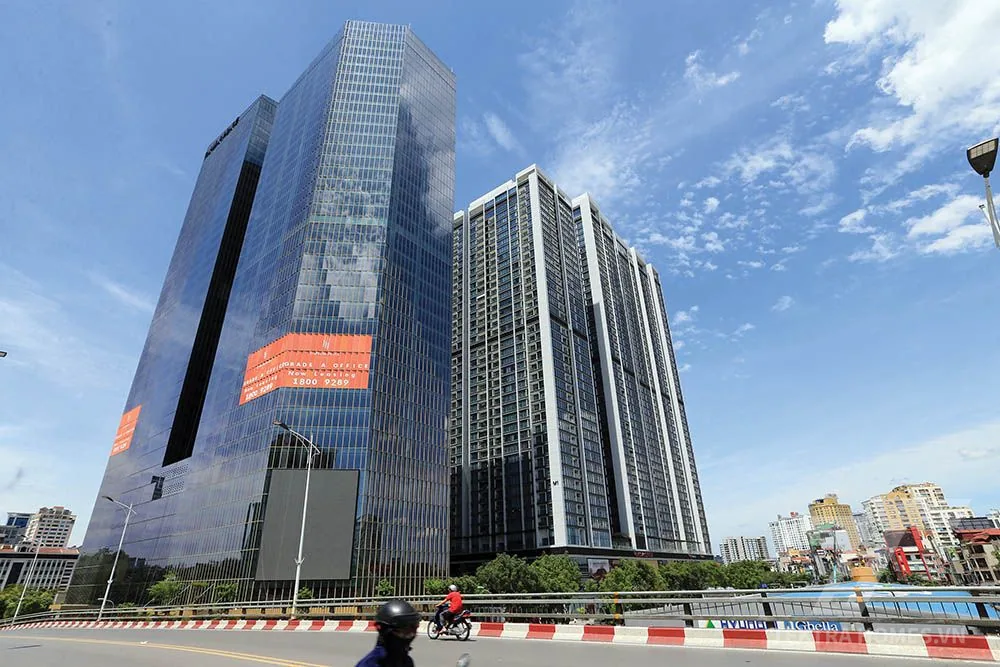
Unlike landed properties, where the main entrance direction is connected directly to the ground, determining the direction of an office in a multi-storey high-rise building often generates debate. According to modern architecture and feng shui specialists, a high-rise office direction is determined through a combination of two factors:
Overall energy-receiving direction (the building's main lobby direction): This is where all employees and visitors enter and exit daily, receiving the shared energy flow from the city's main road axis.
Direct vital-energy-receiving direction (the daylight-facing glazing and balcony of the leased floor):
This is the part of the individual office with the largest exposure to nature, air, and sunlight.
In feng shui, “yang energy” enters from the areas with the most light and airflow. Therefore, for elevated office floors, the direction of the main glazed façade or balcony with an open view is regarded as the primary energy-receiving orientation of the workspace.
The floor entrance direction: This is a supplementary point through which energy flows from the corridor and elevator lobby into the office.
Assessing Office Directions Based on Natural Factors and Microclimate
Alongside age-related feng shui factors, considering Vietnam's specific weather conditions can help businesses optimize operating costs:
East- and Southeast-Facing Offices
Characteristics: Receive gentle morning sunlight early in the day and are fully shaded in the afternoon. Southeast-facing offices receive cool summer breezes while avoiding cold northeast monsoon winds.
Assessment: These are the most ideal office directions in terms of microclimate, creating a refreshing atmosphere with renewed energy while maximizing air-conditioning electricity savings.
South-Facing Offices
Characteristics: “Choose a gentle wife and build a south-facing home” is a long-standing saying. South-facing spaces have stable daylight throughout the year, without harsh direct sunlight at any time of day, and receive cool breezes.
Assessment: Highly favorable for offices with large numbers of employees, offering cool and stable working conditions.
West- and Northwest-Facing Offices
Characteristics: Subject to substantial solar heat radiation in the afternoon (from 1:00 pm to 5:00 pm), causing indoor temperatures to rise.
Assessment: These offices require investment in insulated Low-E double glazing, heat-control window film, and 100% light-blocking roller blinds. Summer air-conditioning electricity costs for west-facing offices are often approximately 20%–30% higher than for other directions.
North- and Northeast-Facing Offices
Characteristics: With no direct sunlight, these spaces receive evenly diffused light throughout the day. However, during winter in northern Vietnam, these directions are directly affected by cold monsoon winds.
Assessment: Suitable for businesses in graphic design and information technology that require accurate screen lighting without glare.
Summary Comparison of the Advantages and Disadvantages of Office Directions
Office direction | Microclimate characteristics | Energy consumption | Feng shui Gua group | Optimal design solution |
Southeast / South | Cool breezes, gentle light, warm in winter | Lowest (energy-saving) | East Group | Maximize transparent glass partitions to bring in natural daylight. |
East | Gentle early sunlight, cool afternoons | Low–medium | East Group | Install venetian blinds or light roller blinds for morning hours. |
North / Northeast | Stable light, low glare | Medium | Kan (North) / Gen (Northeast) | Use warm lighting for winter and airtight glazing. |
West / Southwest | Intense afternoon sun, high temperatures | High (increased air-conditioning load) | West Group | Use Low-E glass, heat-control film, thermal blinds, and shade-providing greenery. |
Northwest | Late-afternoon sun, dry conditions | Medium–high | West Group | Place storage, pantry, or technical rooms along west-facing walls. |
Solutions When the Office Direction Does Not Suit the Leader's Gua
In practice, finding premises that meet the budget, transport-location, and desired-area requirements while also being perfectly aligned with the leader's feng shui direction is far from easy. Businesses can use architectural and feng shui solutions to adjust energy flow:
Reorient the leader's desk: If the office's main entrance faces an unfavorable direction, position the Director's desk to face the most auspicious direction according to their Gua.
Install a screen or partition to redirect energy flow: Place a reception desk or decorative logo partition thoughtfully behind the main entrance to guide energy in a gentle, winding path into the office rather than allowing it to rush directly inward.
Apply the Five Elements generating cycle in the interior:
If the office faces an unfavorable Fire-element direction (with intense sunlight), use Water- or Earth-element paint colors and furnishings (blue, gray, and sandy yellow), and add an aquarium to balance the heat.
Add broad-leaf feng shui plants (Money Tree, Snake Plant, or Imperial Philodendron) in sun-facing corners to filter the air and diffuse heat radiation.
Arrange supporting functional rooms: Place low-energy or support areas, such as document storage, server technical rooms, and restrooms, in unfavorable sectors to neutralize them, reserving the most favorable areas for shared workspaces and meeting rooms.