
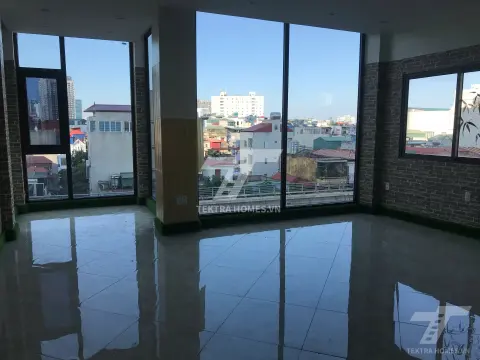

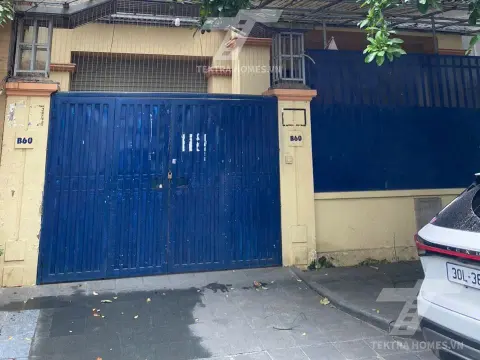
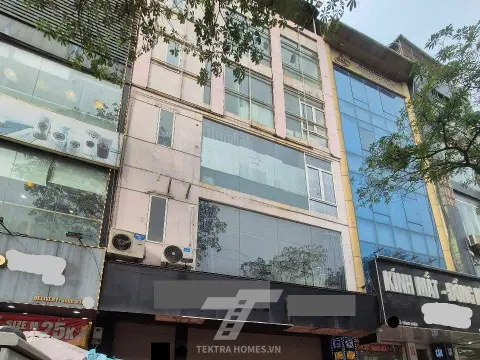
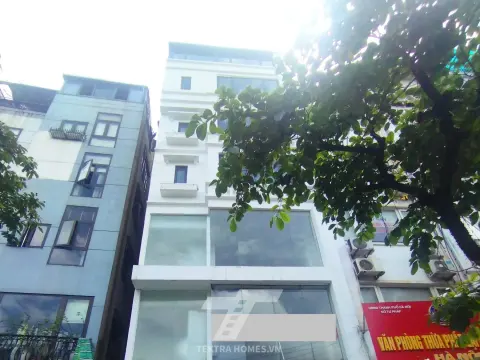
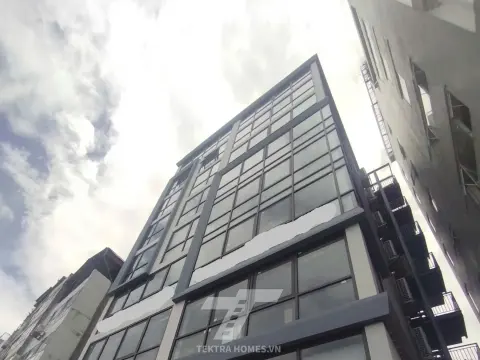
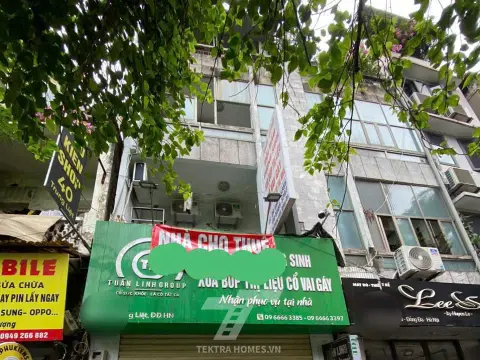

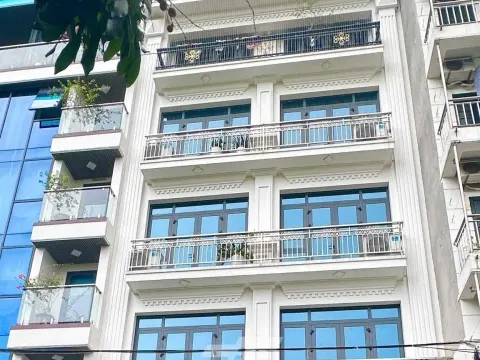
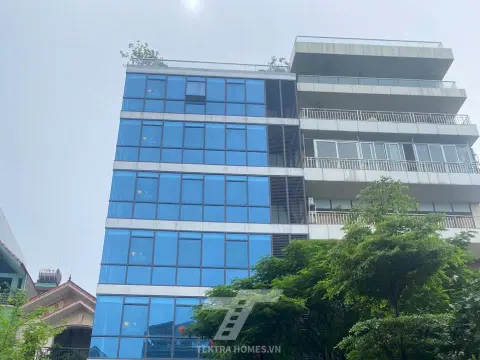


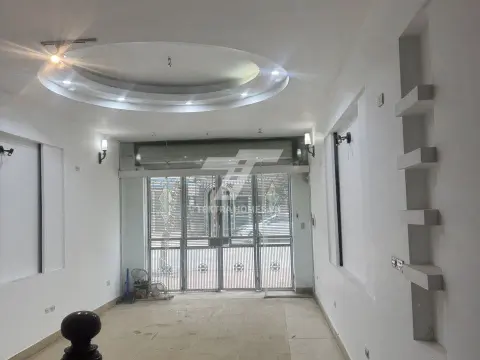
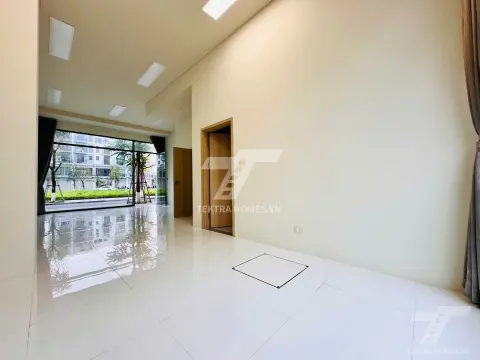
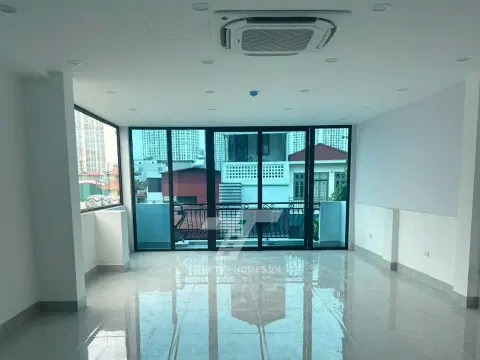

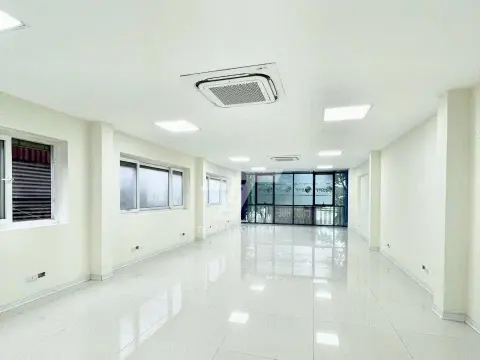

Hanoi's office rental market offers many options beyond premium buildings in central areas. Class D offices are often considered by businesses that need an appropriate floor area, a budget-friendly rental rate, and flexible leasing terms. However, the Class D label does not fully indicate the operational quality of a premises: businesses should still inspect the building in person, review costs beyond rent, and check the contract terms.
In this article, TektraHomes outlines how Class D offices are understood, the Hanoi market, key due-diligence criteria, and several representative premises currently featured on the website.
What Is a Class D Office?
Class D office is a commonly used rental-market classification describing premises with more basic pricing and amenities than higher-end options. This category may include small office buildings, offices in residential areas, or part of the floor area within mixed-use buildings. Classifications are not always applied consistently across providers, so the specifications and actual condition of each location should be reviewed.
For businesses, notable advantages of this category often include small leasable areas, lower initial costs, and locations across different parts of Hanoi. Some premises are suitable only for small working teams, while others offer larger areas on streets or major transport corridors. Therefore, Class D offices should not automatically be assumed to be small, far from the city centre, or of uniform quality.
The key comparison is total usability: net usable area, working conditions, eligibility to register a business address, customer access time, and total monthly costs. Businesses can compare Class D premises with other options in the Hanoi office-for-rent listings to determine which category suits their operational needs.
Hanoi Class D Office Market
Options classified as Class D are available in many areas of Hanoi, including Cau Giay, Tu Liem, Thanh Xuan, Dong Da, and streets with many small- and medium-sized buildings. Cau Giay offers premises near office clusters, universities, and roads connecting to western Hanoi. Businesses can view additional locations in the Cau Giay area to compare locations and floor areas.
In Tu Liem, premises may be located near routes leading to My Dinh, Pham Van Dong, and new urban areas. Businesses that need to connect with customers or employees in the western part of the city can explore offices in the Tu Liem area. Area selection should be based on employees' residential locations, customer base, commuting routes, and access to public services rather than rental price alone.
The Class D category on TektraHomes includes options with varying areas and prices. The number displayed on the website reflects listings that match the filters at the time of search; it is not a complete statistic for all Hanoi market supply. Prices and floor areas may change depending on vacancy, leased floor, enquiry date, and handover conditions.
Market factor | What businesses should consider |
|---|---|
Area | Distance to customers, employees, public transport, and main roads |
Floor area | Required workstations, meeting rooms, reception area, storage, and room for expansion |
Asking rent | Whether quoted monthly or per m²; and whether VAT, service charges, and air conditioning are included |
Premises condition | Whether delivered as a shell or with ceiling, flooring, air conditioning, and electrical systems in place |
Operations | Elevators, operating hours, security, cleaning, and visitor access management |
Parking | Allocated spaces, fees, and availability of additional parking near the building |
Lower rent can reduce initial expenditure, but the asking price is not always the full budget required. Service charges, electricity for air conditioning, parking, VAT, deposits, and fit-out costs can all significantly affect total rental costs. Request a quotation that includes all of these items before comparing premises.
Class D Office Standards in Hanoi
No single set of specifications ensures that all premises labelled Class D have the same conditions. Businesses should therefore assess each location according to practical needs and request written information from the landlord. The classification label is a starting point for screening; a leasing decision should be based on the premises' ability to support work requirements, safety, and operating costs.
Assessment item | Questions to confirm before signing |
|---|---|
Floor area and measurement method | Is the leased area measured as net usable area or gross area? Are floor plans and measurement records available? |
Technical infrastructure | Can electricity, air conditioning, internet, water supply, and drainage support the equipment and number of staff? |
Fire safety | Does the building have appropriate fire prevention and firefighting documentation, systems, and operating procedures? |
Elevators and access | Are there elevators, what are their operating hours, and are emergency exits easily accessible? |
Parking | Is parking available for staff and visitors, and what are the fees and quantity limits? |
Management services | Who is responsible for cleaning, security, repairs, and handling incidents after hours? |
Business conditions | Can the location be registered as a business address, display signage, and receive visitors? |
Contract | How are the lease term, deposit, rent increases, fit-out period, and reinstatement conditions stated? |
Floor area and functionality: Check whether the premises can accommodate the required workstations, meeting rooms, reception area, and circulation space. Advertised areas may be calculated differently; review the plans, measure the space in person, and confirm the chargeable area in the contract.
Technical systems and safety: Before leasing, check the air conditioning, electrical capacity, power outlets, internet connection, lighting, backup power supply if available, and fire prevention and firefighting system. If the business uses servers, high-capacity equipment, or works after hours, its capacity and any additional charges should be clearly confirmed.
Services, operating hours, and parking: Some buildings have specific rules on air-conditioning hours, fit-out work, deliveries, and receiving visitors. Ask which items are included in the service charge, whether after-hours charges apply, and how convenient the parking area is during peak hours.
Total rental cost: Calculate costs monthly and over the full lease term, including rent, service charges, VAT, utilities, air conditioning, parking, internet, deposit, and fit-out costs. For unfinished handovers, initial fit-out costs may make an option with a low asking price more expensive than expected.
Representative Class D Office Listings
Below are several premises introduced by TektraHomes in the Class D category. Prices and areas are reference information from the listings at the time of search and may change depending on vacancy and lease conditions. VAT, service charges, electricity, air conditioning, and parking should be confirmed separately before budgeting.
Office | Area | Reference floor area | Reference rent | Points to confirm |
|---|---|---|---|---|
Yen Hoa, Cau Giay | 40–80 m² | From approximately VND 7 million/month | Price by floor area, service charges, and VAT | |
Cau Giay | 25–40 m² | From approximately VND 11 million/month | Available area, furnishings, and operating costs | |
Phu Dien | Approximately 80 m² | Approximately VND 13 million/month | Price excludes VAT and service charges; confirm floor and handover condition | |
Cau Giay | Approximately 150–870 m² | Some areas from approximately VND 39 million/month | Actual available area, rate by floor, and additional charges | |
Dong Da | Approximately 85–545 m² | Some areas from approximately VND 25 million/month | Total price for the specific area, handover conditions, and services |
These examples show that the Class D category can range from small premises for compact teams to larger spaces for businesses needing more workstations. When comparing options, use the same basis: leased area, monthly price, mandatory charges, and handover date. If higher-level amenities or building image are a priority, businesses can also compare Class C offices in Hanoi to better understand differences in pricing and services.
TektraHomes Working Process and Contact Information
To help businesses save time and optimise costs, TektraHomes follows a standardised five-step office leasing consultation and support process:
Step 1: Receive requirements: Collect information on team size, expected budget, preferred area, and office move-in timing.
Step 2: Prepare a premises comparison table: Provide a list of the 5–7 most suitable buildings, including floor area, rent, service charges, and parking capacity.
Step 3: Site inspection: Accompany businesses to inspect office floors in person, check technical infrastructure, and measure the actual floor area.
Step 4: Negotiate contract terms: Support negotiations on rent, rent-free fit-out period, parking allocation, and rent escalation terms.
Step 5: Handover & post-lease support: Sign the premises handover record and support business licence registration, tax office procedures, and fit-out procedures with building management.
OFFICE CONTACT AND QUOTATION INFORMATION
Hotline and Zalo: 0879 83 3879
Quotation email: cskh@tektra.vn